

You know your child better than anyone, which means you probably notice when something feels different, even when you cannot pinpoint exactly what has changed.
Wouldn’t it be so much easier if children announced, “I’m feeling overwhelmed, and I need help?” Sometimes, we can’t even do this as adults. Instead, difficult emotions often show up through behavior. You may have noticed tantrums, clinginess, irritability, aggression, as well as trouble sleeping or difficulty separating from you.
They may have more intense emotions with fear, sadness, and nightmares, or even physical symptoms like frequent stomachaches or headaches.
The struggles of school-age children may become more noticeable through concerns from their teachers, including poor concentration, disruptive behavior, falling grades, school avoidance, or difficulty connecting with friends.
If your child has been struggling and you don’t know where to turn, you might wonder if therapy can help you better understand what their behavior is trying to communicate. The good news is reaching out for support can help create a calmer, more connected path forward together.

When your child is going through a troubling phase, your home life may revolve around avoiding the next meltdown, argument, or difficult transition, leaving everyone feeling worn down. Mornings may become battles, bedtime can turn into exhausting negotiation, and seemingly minor frustrations may trigger intense reactions at any time of the day.
At school, your child might have trouble focusing, following expectations, managing impulses, or feeling comfortable around classmates. Friendships can become difficult when anxiety leads to withdrawal or overwhelming emotions.
These challenges do not have to define your child or your family. With compassionate, age-appropriate therapy, children can learn to understand their emotions, communicate their needs, build confidence, and develop healthier ways to handle difficult moments.
Childhood is filled with growth, change, and experiences that can feel much bigger to a child than they might appear from the outside.
Tension or conflict at home can leave them feeling unsettled, and transitions like a separation or divorce may bring uncertainty and fear. Even happy transitions, such as welcoming a new sibling, can stir up jealousy, insecurity, or worries about having to share a parent’s attention.
At school, bullying, friendship problems, or mounting academic expectations can make a place that once felt comfortable become a source of dread or self-doubt.
Grief, trauma, or a major change in routine can also disrupt a child’s sense of safety and predictability. For kids with ADHD or autism, everyday expectations involving attention, transitions, communication, sensory experiences, or social situations may bring additional frustration and overwhelm, but therapy can help address these concerns.
Adults can sometimes say, “I’ve been anxious lately,” but children are still developing the language and self-awareness needed to make sense of complicated emotions. Without knowing what is underneath the behavior, parents may understandably try reassurance, consequences, or changes in routine without seeing lasting improvement.
Conflicting advice from family, friends, social media, and the endless parenting resources found online can make figuring out what kids actually need even more confusing. Needing additional guidance does not mean parents have done something wrong, nor does it mean their child is destined to struggle.
With greater understanding and the right support, children can build emotional skills that help them feel more secure, capable, and confident as they grow. A psychologist or counselor can help uncover what may be driving a child’s behavior while giving the family practical ways to respond.
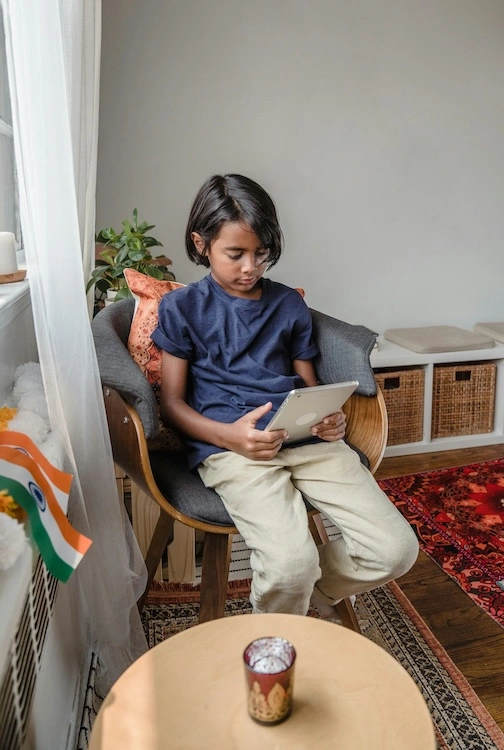
At Prasad Counseling, we work with school-age children who are experiencing anxiety, ADHD, behavioral concerns, intense emotions, school difficulties, trauma, grief, or social challenges.
Our philosophy is that every child grows within a family, culture, and community. We respect how your values, traditions, language, beliefs, and parenting practices shape your child’s experience. Rather than expecting families to fit into one definition of what therapy “should” look like, we collaborate with you to provide evidence-based care that feels relevant and respectful.
Additionally, reaching out for support isn’t a parenting failure, instead, it’s one more way of showing up for your child.

Childhood should have plenty of room for learning, friendships, imagination, and fun, not just worry, frustration, or emotional overwhelm. Therapy is designed to understand what your child is experiencing while helping them build confidence, strengthen emotional regulation, and develop skills they can use in everyday life.
Your child’s counselor will look beyond what they are doing to understand what may be driving the behavior. Depending on their needs, we may explore emotional regulation, family relationships, friendships, school experiences, developmental milestones, and parenting approaches. In the safety of therapy, we may look at any trauma they may have experienced in childhood, including bullying, loss, or other distressing events.
Together, we’ll develop individualized goals that reflect what matters most to your child and family, which may include recognizing and communicating emotions, managing anxiety, tolerating frustration, solving problems, strengthening social skills, and responding to challenges with greater confidence.
Parents are an important part of this process and receive guidance for reinforcing new skills at home, helping the progress made during sessions become part of everyday family life.
Children benefit from more than simply talking about what is difficult. They need practical ways to handle those difficulties when they arise.
Everyone’s childhood is different, and treatment will depend on whether your child experiences anxiety, depression, or other challenges. We utilize evidence-based modalities including Cognitive Behavioral Therapy (CBT), play therapy, Internal Family Systems (IFS) work, mindfulness-based interventions, and parent-child interaction strategies.
In counseling, kids may practice identifying emotions, breathing and grounding exercises, reframing unhelpful thoughts, and navigating social situations. Parents can learn positive reinforcement strategies, behavior coaching, effective limit-setting, and ways to create predictable routines that promote consistency while reducing conflict.
Group therapy may also give parents a supportive environment to share challenges, process their own emotional strain, and connect with others who understand their experience.
Over time, these skills can translate into calmer interactions at home, greater confidence at school, stronger friendships, and a child who is better able to understand and manage their emotions. Progress does not always happen overnight, but meaningful changes can build one step at a time, helping both children and parents feel more capable, connected, and hopeful about what comes next.

Parents often notice persistent emotional or behavioral changes like frequent meltdowns, anxiety, aggression, withdrawal, sleep disruption, or school difficulties that don’t improve over time. Meeting with a psychologist or counselor who specializes in working with kids is appropriate when these patterns interfere with daily functioning at home, school, or with peers. Early support helps children build emotional regulation skills before patterns become more entrenched.
Therapy is developmentally tailored and often uses play, drawing, storytelling, and structured interaction rather than traditional talk therapy. Your child’s therapist would observe patterns, help them name their emotions, and teach coping skills.
Parents are actively involved and receive strategies to support consistency at home. The focus is practical, aimed at improving regulation, behavior, and relationships in daily life. Communication between the therapist and parents is essential to the process.
The length of therapy varies based on the child’s needs, family involvement, and the severity of symptoms. Some children show meaningful improvement within weeks while others benefit from longer-term support.
Progress is measured by changes in behavior at home and at school, improved emotional regulation, better sleep, stronger relationships, and reduced intensity or frequency of symptoms. Parents also often notice increased confidence, fewer daily crises, and a more predictable home environment.
To learn more about Prasad Counseling’s child therapy practice, reach out to schedule a free, 15-minute consultation at (281) 948-3322 or through our Contact Page.


©2026 Prasad Counseling and Training | Privacy Policy | Terms of Service | Good Faith Estimate