
Old Wounds, New Threats: Mental Health Effects on Immigrants & Refugees
by Marty Elkins, LPC
Immigration enforcement can be a significant source of stress and psychological distress. Many immigrants, refugees, and asylum seekers arrive in the U.S. having already experienced significant trauma. Prior to migration, individuals may have endured violence, political persecution, chronic poverty, organized crime, family separation, sexual assault, labor exploitation, or dangerous migration journeys.
Trauma research consistently demonstrates that previous traumatic experiences can leave the nervous system highly sensitive to future threats, particularly those that resemble aspects of the original traumatic experience.
When individuals perceive a renewed threat to their safety or stability, past trauma can become reactivated. This phenomenon is sometimes referred to as trauma triggering or re-traumatization. Rather than experiencing fear solely in response to current events, a person may begin reliving emotional, physiological, and cognitive reactions associated with earlier traumatic experiences.
Symptoms can include hypervigilance, intrusive memories, sleep disturbance, anxiety, emotional numbing, irritability, panic symptoms, and worsening depression. I use Eye Movement Desensitization and Reprocessing (EMDR) to successfully treat many trauma survivors.

Why Enforcement-Related Fear Can Be Clinically Significant
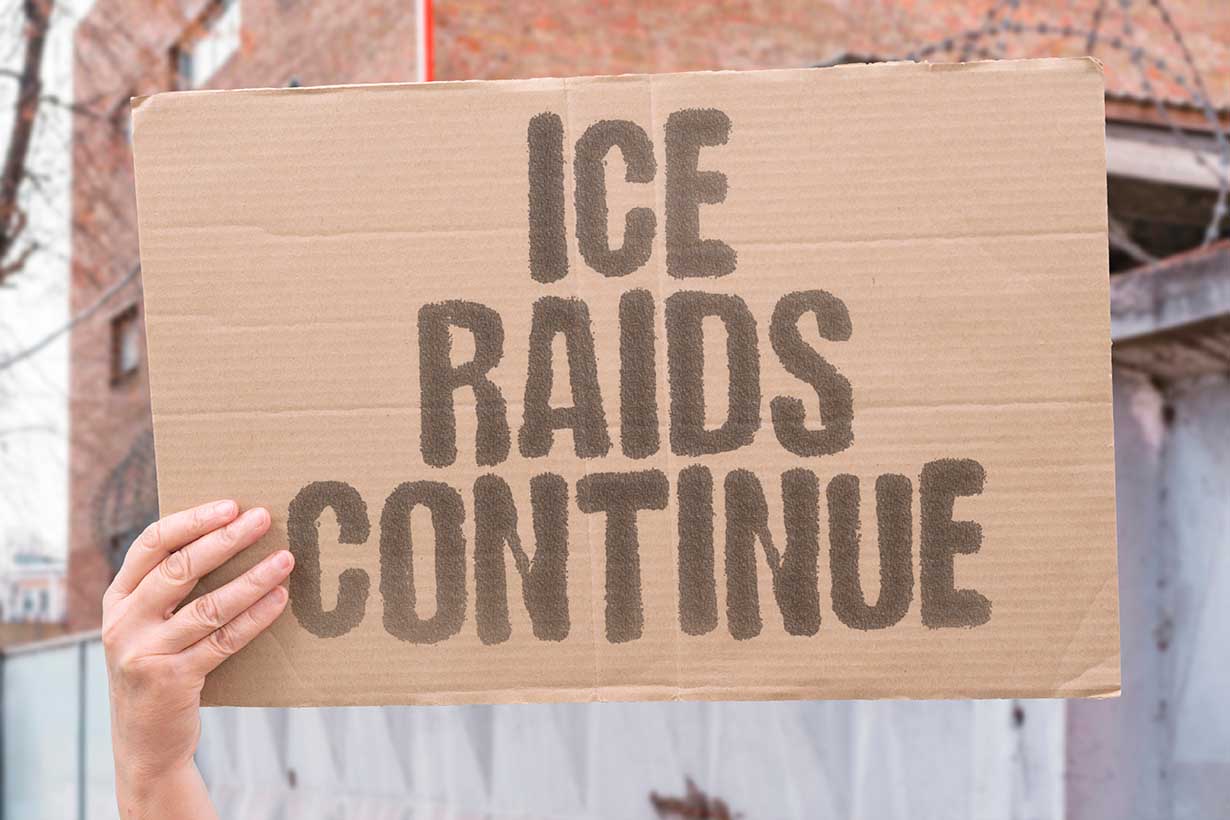
Research documents measurable mental health consequences associated with immigration enforcement activity. One large study found that the Secure Communities enforcement program was associated with a 14.7% increase in psychological distress among Latino immigrants, while other enforcement initiatives were associated with significant declines in self-reported health and mental well-being.
From a trauma perspective, the concern is not simply fear of legal consequences. The experience of uncertainty, loss of control, family disruption, and perceived threat can mirror aspects of earlier traumatic experiences.
For survivors of war, persecution, organized violence, or forced displacement, these circumstances may reactivate previously managed symptoms of post-traumatic stress disorder (PTSD). Clinicians may observe increased hypervigilance, avoidance behaviors, emotional dysregulation, and a heightened sense of danger even when no direct enforcement action has occurred.
The Unique Vulnerability of Trafficking Survivors
Particular attention should be given to survivors of human trafficking.
Texas is number two in the country in trafficking behind California. Many individuals who were trafficked for sexual exploitation or forced labor experienced prolonged coercion, intimidation, threats, and dependency on those who controlled them.
A common tactic used by traffickers is convincing victims that authorities cannot be trusted and that seeking help will lead to punishment, detention, or deportation. In addition, traffickers often take possession of all forms of identification carried by those being trafficked, leaving them in a foreign country, where they don’t know the community, can’t speak the language and often, will not ask for help.
For trafficking survivors, heightened immigration enforcement can have a compounding effect. Existing trauma symptoms may intensify while fears instilled by traffickers are reinforced. Individuals may become less likely to seek medical care, mental health treatment, legal assistance, or victim services.
Emerging research shows that concerns about immigration consequences can discourage trafficking victims from seeking protection and support, thereby increasing isolation and vulnerability.

Immigration Enforcement: A Clinical Rather Than Political Issue
Regardless of one’s views on immigration policy, the mental health implications deserve careful attention. Trauma survivors often interpret present-day events through the lens of past experiences. For some immigrants, refugees, and trafficking survivors, heightened enforcement activity may function not merely as a current stressor but as a reminder of previous experiences involving danger, coercion, loss, and uncertainty.
 Mental health professionals, healthcare providers, and community organizations can play an important role by recognizing signs of re-traumatization, providing trauma-informed care, and creating environments where individuals feel sufficiently safe to access support. Understanding these reactions as predictable responses to cumulative trauma can help clinicians respond effectively while reducing shame, isolation, and barriers to treatment.
At Prasad Counseling and Training, I am the EMDR expert. I use it to successfully treat survivors of sex trafficking, child sexual and physical abuse, domestic violence and those who have faced challenges while wearing the uniform. Trauma is highly treatable. Can you allow me to stand beside you in the dark as we find the light at the end of the path?
Contact Marty Elkins or one of the other licensed therapists at Prasad Counseling and Training for information on how we can support your path to improved mental wellness.