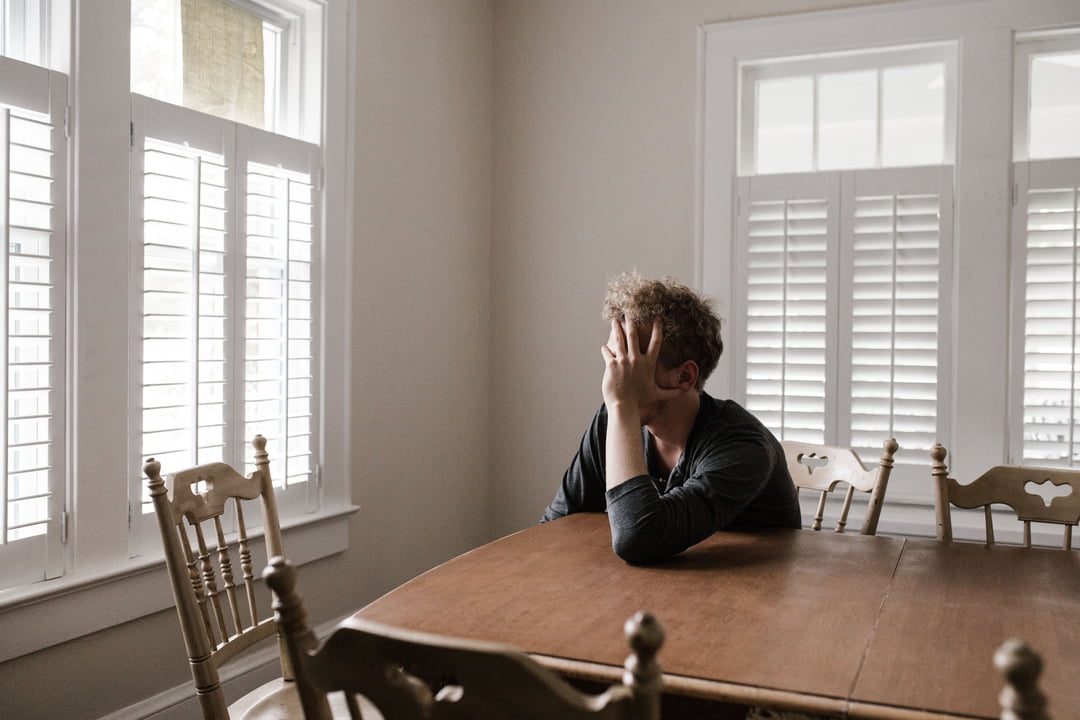
One person’s substance use rarely stays confined to that person alone. Addiction, as a family disease, spreads through households, altering routines and relationships long before anyone speaks the truth about the situation. A parent’s drinking might turn a child into a caretaker. A sibling’s drug use might pull the whole family into secrecy and stress.
People can have absorbed these patterns without realizing how they took shape. Over time, they likely adjusted daily habits just to keep the peace and manage someone else’s problems. Identifying this pattern is a useful starting point for making sense of what has felt confusing for years.
The Weight Addiction Places on a Family
When one family member struggles with drugs or alcohol, everyone around them adjusts in some way. Addiction as a family disease touches finances, communication, and trust among people who did not create the problem but still carry its weight. Partners may cover for missed work, broken promises, or unpaid bills. Parents may lie awake wondering where things went wrong and what they could have done differently.
This shared burden is part of why treatment programs increasingly involve the whole household, not just the person using substances. Left unaddressed, these strains can outlast the substance use itself, showing up in future relationships and workplaces.
Substance Abuse in Daily Life and Its Effects
The effects of substance abuse on families show up in patterns that repeat across many households. You might notice these changes in your own home:
- Constant tension, with everyone bracing for the next crisis
- Secrecy or dishonesty that spreads beyond the person using substances
- Financial strain from money spent on the substance or lost income
- Role reversal, where children or partners take on caretaking duties
- Distance from others: friends, family, and extended family
These changes do not appear because someone in the family lacks love or effort. They develop because addiction reshapes priorities and coping strategies for everyone nearby. Sometimes, it happens so gradually that no one notices until the pattern feels normal.
The Ripple Effect of Addiction Across Generations
The ripple effect of addiction in the family does not stop with one generation. Children raised in homes with substance use often develop similar coping patterns as adults, despite promising themselves they will change. Anxiety, difficulty trusting others, and trouble setting boundaries can carry forward long after someone leaves the original household.
Seeing these patterns in yourself does not mean you are destined to repeat them. It offers information to make different choices for your own family, including raising your children in a calmer environment than the one you grew up in.
Finding Support as a Family
Viewing addiction as a family disease changes the type of support that works best. Family therapy and support groups can help each person process what they experienced instead of managing it privately. A counselor can teach practical communication tools and boundary setting with a struggling family member. They can also address resentment or fear that may have built up over time.
Support groups such as Al-Anon connect you with people who have lived through similar circumstances. These groups offer practical strategies instead of generic advice. Family-centered care leads to lasting change because everyone learns healthier ways to relate to each other.
The Next Chapter Starts Here
Addiction is a family disease that affects every person in the household, not just the one using substances. Professional support offers a safe place for everyone to heal. Over time, small changes in boundaries and communication create real, lasting change.
Contact our office to schedule a consultation and learn more about counseling for addiction options built around the entire family. Turn the page to break the cycle, and rewrite what comes next for the people you love most.