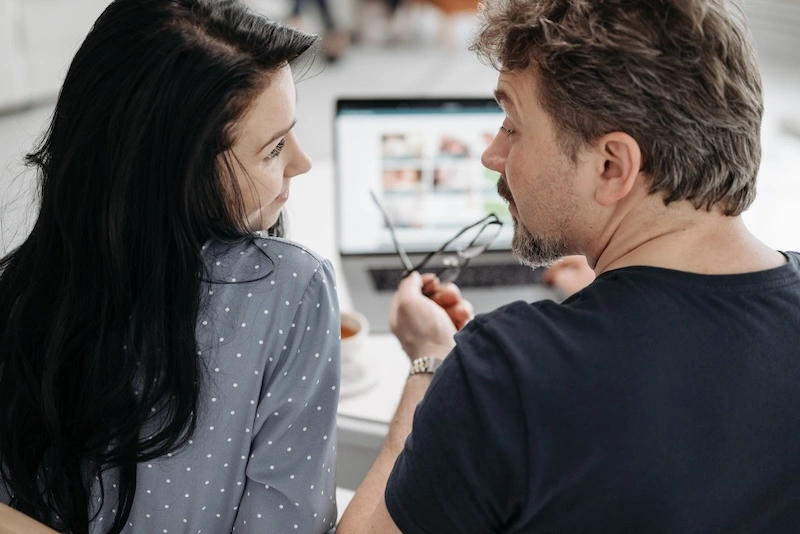
Underneath the surface argument of who is washing the dishes, effective communication is usually the missing piece, not a lack of love. Partners frequently speak past each other instead of with one another, especially during stressful seasons of life.
Small misunderstandings pile up over time. Without the right tools, they can turn into resentment. Communication with your partner is a skill, not a magic skill that some couples have and others do not. With practice, most relationships can build a stronger, more honest way of connecting.
The Communication Breakdown
Conflict starts with tone, timing, and old communication patterns that have built up over years together. When one partner feels criticized, they may become defensive or shut down entirely. The other partner, feeling unheard, may raise their voice or repeat themselves in frustration.
This cycle can repeat for months or years without either partner having a name for what is really happening. Effective communication interrupts this cycle by giving both people a shared framework for expressing needs. This framework allows for hearing concerns without escalating into blame.
The Gottman Method and Everyday Conversations
The Gottman Method, developed from decades of research on couples, offers concrete tools for communicating during both calm and tense moments. Two ideas from this approach stand out for everyday use:
- Soft starts: Beginning a difficult conversation gently, without blame, so the other person does not feel attacked from the beginning
- The antidotes to criticism and contempt: Replacing complaints with specific requests, and replacing sarcasm with genuine appreciation
Couples who apply these ideas consistently tend to report fewer explosive arguments and more productive conversations. Even when the underlying issue remains unresolved, eventually, these small adjustments can reshape the tone of an entire relationship.
Practical Tools for Effective Communication
A few habits can make a noticeable difference in daily conversations. Start practicing with:
- Use “I” statements instead of accusations
- Set aside device-free time to talk without distraction
- Ask clarifying questions before assuming intent
- Take a break when a conversation becomes too heated
- Revisit unresolved topics when both partners are calm
These tools work because they slow down reactive responses and create room for authentic listening. Effective communication asks both partners to focus less on winning an argument and more on making sure each person feels heard. Couples who practice these habits regularly tend to notice fewer misunderstandings and a greater sense of teamwork when problems arise.
Outside Support Can Help
Some communication patterns are deeply rooted and difficult to change without guidance. A partner who grew up in a home with constant conflict may associate raised voices with normal conversation. Another partner may have learned to avoid conflict entirely, leaving real issues unaddressed for years.
Couples therapy provides a structured place to practice communicating with one another. A trained professional who can interrupt old patterns and offer new language in the moment is a big win for both of you.
A skilled therapist can also help identify blind spots that are difficult to see from inside a relationship. Many couples discover that communication is only one layer of a larger issue. Most find that unmet needs or unresolved history are also part of the picture. Effective communication, in this context, becomes the entry point to deeper repair, not the finish line.
Breaking Old Patterns
Strong relationships are built through consistent effort, not perfect conversations. Every couple experiences miscommunication at some point, but that does not mean the relationship is broken.
If you and your partner want more effective communication skills, couples therapy can help. Contact us and schedule an appointment. Reconnection on a deeper level is possible, and it starts with one phone call.