Effects of Addiction: Why It’s So Hard to Just Stop
By Thomas Fryar, Licensed Professional Counselor (LPC)
On the matter of drug addiction, have you found yourself thinking, “Why can’t they just stop?” Whether it’s about someone you love or even yourself, you’re asking a human and baffling question.
It is a question I have heard many times during my work as an addiction’s counselor at Prasad Counseling and Training in Houston. But, once you understand how drugs change the brain, that question starts to shift. This isn’t just about willpower. It’s about brain function. What’s the good news? What changes in the brain can also heal the brain if the person gets the right kind of help.
Your Brain Is Wired for Reward (How Addiction Starts)
Your brain is built to reinforce behaviors that keep you and the human species alive such as eating, connecting with others, having sex and accomplishing goals. When these actions take place, your brain releases dopamine, a chemical that creates a sense of reward and motivation.
This is a very powerful system. Your brain is saying: “That mattered. Do it again.” This system works beautifully—until drugs enter the picture. Drugs can hijack the system. That’s why telling someone to stop using can be compared to telling them never to eat again.
Drugs Overload the Brain’s Reward System
Substances like alcohol, opioids, cocaine, and methamphetamine don’t just activate the reward system—they overwhelm it. They release significantly more dopamine than natural rewards—sometimes several times more. In my years of addictions counseling, I have seen how quickly the brain learns from this:
This feels powerful. This is important. Repeat this.
And that learning happens automatically. It is not a conscious decision. It is brain-based process.
Why Tolerance Develops (and Why People Need More)
The brain doesn’t like being overloaded, so it adapts.
Over time, it:
- Produces less natural dopamine
- Reduces the number of dopamine receptors
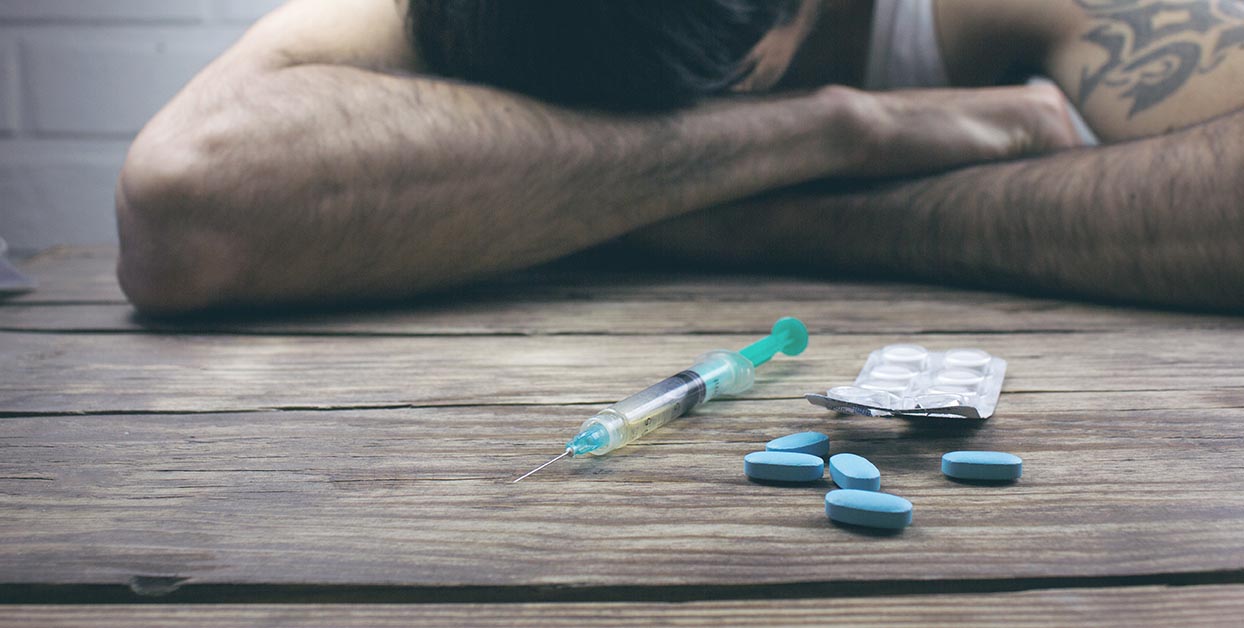
This is what we call tolerance. In many cases it is unrelated to the size of the person.
Now the same substance doesn’t feel the same. So, the person:
- Uses more
- Uses more often
- Starts chasing a feeling that’s harder to reach (chasing their first high)
Meanwhile, everyday life—food, relationships, accomplishments—start to feel less rewarding. At this stage, many people aren’t using to feel good anymore. They’re using to avoid feeling low, flat, or uncomfortable.
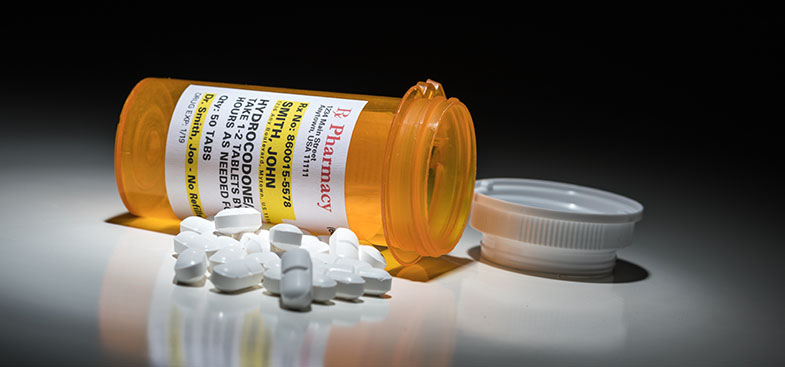
This is particularly challenging when a person is hooked on opiates. Often, it is said that opiate withdrawal, in most cases, won’t kill you but in all cases, you feel like you want to die.
The Decision-Making Part of the Brain Gets Weaker
One of the biggest misconceptions about addiction is that it’s just about bad choices. But here’s what I explain to clients in substance abuse counseling:
The part of your brain responsible for judgment and self-control—the prefrontal cortex—is directly affected by substance use.
This impacts your ability to:
- Think clearly about consequences
- Follow through on decisions
- Stop impulsive behavior
When someone says, “I’m going to quit,” and then doesn’t, it’s not always a lack of honesty or effort. It’s often that the brain system needed to carry out that decision isn’t functioning at full strength. In addition, stopping is one thing, staying stopped is quite another.
Drug Effects: Why Emotions Feel Harder to Manage
Over time, substance use also affects the brain’s stress and emotional systems. What I often hear from clients in drug and alcohol counseling is this:
“I feel more anxious than I used to.”
“I get irritated more easily.”
“I can’t handle stress the way I used to.”
That’s not accidental.
The brain becomes more reactive, which creates a cycle:
- Stress increases
- Substances are used to cope
- Brain becomes more sensitive
- Stress increases again
This is one of the key loops we work to break in addiction treatment. The irony is that when a person no longer uses, they are now feeling their feelings. This is an early part of what it is like to be an “earthling,” a slang term used by an addict to describe those who can drink socially and never develop a problem and can cope with challenges without alcohol and other drugs. Feeling your feelings for the first time in a long time is hard!
Withdrawal: What’s Really Happening
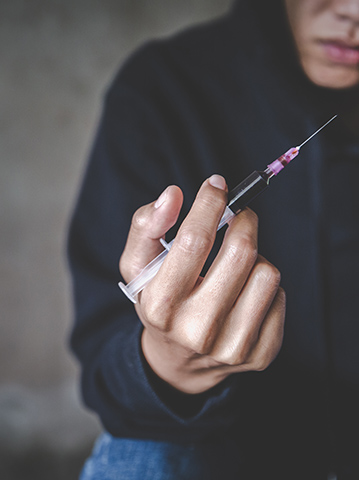
When someone stops using, the brain must readjust again—this time without the substance.
That’s where withdrawal symptoms come in:
- Anxiety
- Low mood
- Restlessness
- Sleep disruption
- Cravings
After years in the substance abuse treatment field, many people return to using not because they want to get high—but because they want relief from how uncomfortable stopping feels. Understanding that changes how we approach recovery.
This Is Why Addiction Is Not Just a “Choice”
Yes, at some point, there were choices involved. But over time, repeated substance use changes the brain in ways that:
- Increase cravings
- Reduce control
- Strengthen habit loops
That’s why addiction is widely understood as a brain-based condition. That’s why professional substance abuse counseling is often necessary—not as a last resort, but as an appropriate, evidence-based response. This is why finding a private practice with an addictions specialist or an alcohol or drug rehab counseling center is important.
The Good News: Your Brain Can Recover
This is the part I want people to really hear. I’ve seen consistent, meaningful recovery—and it’s grounded in science.
The brain has the ability to heal through neuroplasticity, meaning it can:
- Rebuild healthier pathways
- Restore dopamine balance
- Improve decision-making
- Regulate emotions more effectively
But this doesn’t typically happen by just “trying harder.” It happens with support, structure, and the right tools. Remember- there is a difference between abstinence and treatment.
Abstinence is white knuckling. Treatment is building sobriety, strategy and support.
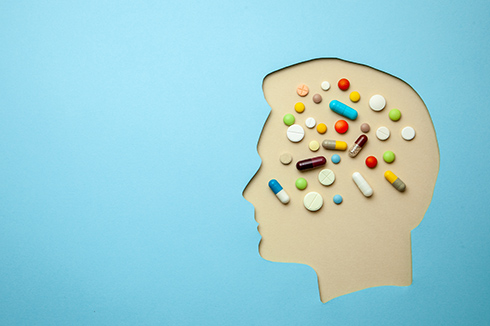
How Substance Abuse Counseling Helps the Brain Heal
Effective addiction counseling is not about judgment. It is about strategy.
In a quality substance abuse counseling program, clients learn how to:
- Identify triggers that lead to use
- Manage cravings in real-time
- Strengthen decision-making patterns
- Regulate stress and emotions
- Build new, healthier reward systems
We’re not just trying to stop behavior—we’re helping the brain function differently.
If You’re Trying to Help Someone You Love
One of the most powerful shifts you can make is to move from frustration to understanding.
Instead of: “Why are you doing this?”
Try: “I’ve been learning how substances affect the brain, and it helped me understand this differently. Would you be open to talking to someone?”
In my experience, that shift lowers resistance and opens the door to real conversation.
If This Is About You
If you’ve tried to stop and couldn’t, it doesn’t mean you lack discipline. It does not mean you are a failure. It likely means your brain has adapted—and you need support that matches that reality.
You don’t have to wait until things get worse.
I think the adage of a person “having to hit bottom” is nonsense. If a person has cancer, would we tell them we should delay treatment until it gets more serious?
You don’t have to be completely ready. You just have to be willing to take one step—like reaching out for substance abuse counseling.
Final Thought
 If you’re ready—or even just thinking about it—reaching out for drug and alcohol counseling could be one of the most important decisions you will ever make. I am here. I am ready. Can you take the first step?
For counseling support from me or other clinicians, contact us at Prasad Counseling & Training. We provide a variety of mental health solutions including individual and group therapy.