
The Hidden Emotional Cost for African American Women
By Jennifer Thomas. LPC-A
Black Women Stereotypes
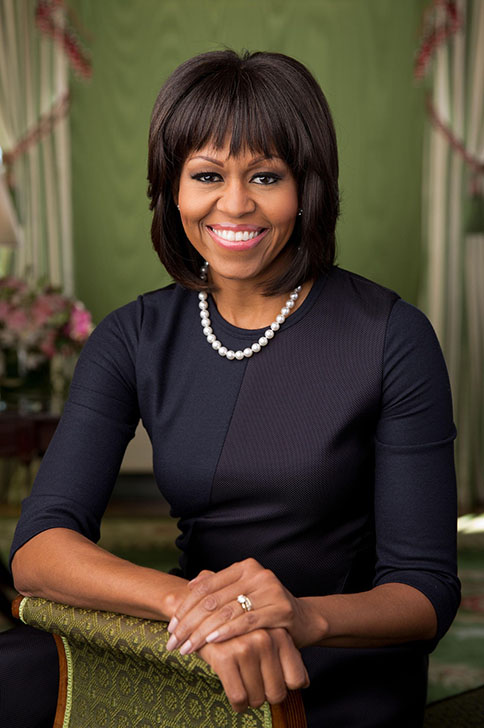
A public event involving a reference to former First Lady Michelle Obama reignited a conversation that many Black women know all too well. While some may view such comments as harmless mistakes or jokes, they often touch deeper wounds connected to longstanding stereotypes about Black women in American society.
For generations, Black women have navigated stereotypes that portray them as angry, aggressive, less intelligent, suitable only for service roles, or beneficiaries of opportunities they did not earn.
These assumptions have appeared in schools, workplaces, healthcare settings, and social interactions. Although society has made progress, moments like these can serve as reminders that these stereotypes remain alive beneath the surface.
Emotional Load Anticipating Assumptions
As a Black woman, I have often found that the emotional impact of stereotypes does not always come from one overt incident. More often, it is the accumulation of small moments, feeling the need to choose words carefully, wondering how others perceive confidence, or carrying the unspoken pressure to avoid confirming someone else’s assumptions. Over time, that level of self-awareness can become exhausting.
One of the realities I have personally observed is that many Black women become experts at anticipating how they will be received. We learn to overprepare, overperform, and overextend ourselves, not necessarily because we lack confidence, but because we are aware that mistakes are sometimes judged more harshly.
Excellence becomes less about achievement and more about protection.
Black Women Stereotypes & Self Worth
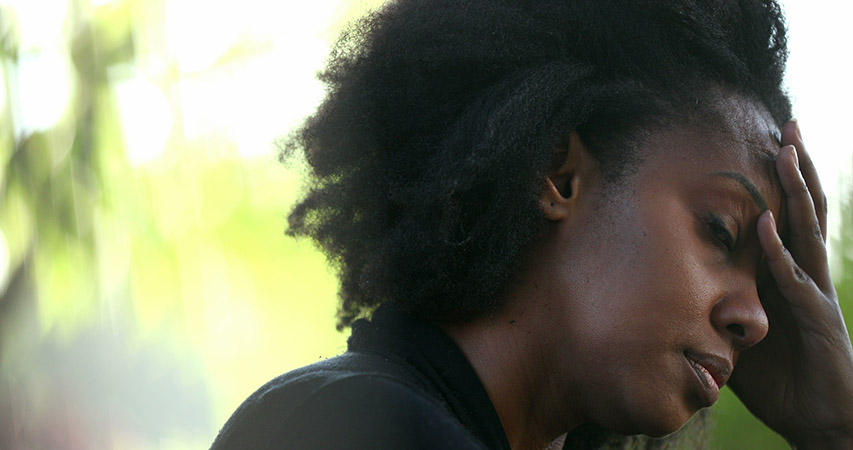
In my work as a psychotherapist, I have seen how deeply these experiences affect self-worth. Many high-achieving Black women who appear successful externally privately struggle with imposter syndrome, perfectionism, and chronic feelings of never being “enough.” Despite advanced degrees, leadership positions, or professional accomplishments, they often continue to question whether they truly deserve their success.
I have also noticed that many Black women wrestling with giving themselves permission to rest. Society frequently celebrates our strength while overlooking humanity. We are praised for being resilient, dependable, and capable, yet rarely asked how much carrying those expectations has cost us emotionally.
Another theme I frequently encounter is grief, grief over opportunities missed because of fear, grief over feeling misunderstood, and grief over the emotional labor required to navigate environments where one feels compelled to constantly prove their value. These losses are real, even when they are invisible to others.
Microaggressions Against Black Women
What makes these experiences particularly difficult is that they are rarely isolated incidents. Many Black women describe a lifetime of subtle messages that question their competence, professionalism, appearance, leadership ability, or right to occupy positions of influence.
A woman may receive praise for her work while simultaneously feeling pressure to prove she belongs.
She may earn a promotion but wonder whether colleagues believe she was selected because of talent or because of diversity initiatives.
She may speak assertively in a meeting and later worry that she will be labeled “angry” rather than confident.
Psychologists often refer to these experiences as racial microaggressions. While a single incident may appear small to outsiders, repeated exposure can have cumulative effects on emotional well-being. Research has linked experiences of racial discrimination and microaggressions to increased anxiety, depression, chronic stress, sleep disturbance, and symptoms associated with trauma.

Seeking Healing and Strength
Perhaps one of the most powerful lessons I have learned personally and professionally is that healing does not require Black women to become less ambitious, less assertive, or less themselves. Healing involves releasing the belief that our worth must continually be earned. It means recognizing that we deserve peace, support, and compassion, not because we have worked harder than everyone else, but simply because we are human.
As both a therapist and a Black woman, I believe one of the greatest gifts therapy can offer is permission, the permission to feel, to rest, to set boundaries, to grieve, and to exist without carrying the burden of disproving stereotypes. True healing begins when we stop measuring ourselves against other people’s assumptions and begin defining ourselves on our own terms.
Therapy can help build a healthier relationship with one’s identity and achievements. Most importantly, it creates space for Black women to be seen as whole people rather than stereotypes.
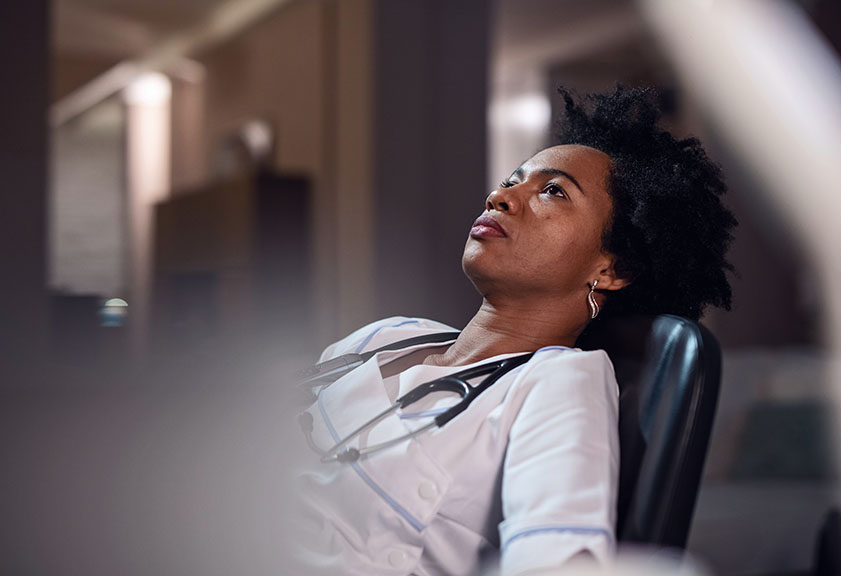
No one should carry the weight of these experiences alone. If public events, workplace experiences, or lifelong encounters with racial stereotypes have left you feeling exhausted, discouraged, or unseen, seeking support is not a sign of weakness. It is an investment in your emotional health and well-being.
The goal of therapy is not simply to help people survive difficult experiences. It is to help them reclaim confidence, peace, and a sense of self that is not defined by the assumptions of others. For a black woman, this is essential.
About the Author

Jennifer Thomas is an African American Licensed Professional Counselor Associate. She practices at Prasad Counseling and Training out of Houston, Texas.
She offers culturally responsive, affirming care for individuals and families seeking a Black therapist who understands their lived experience. She works with children (8+), teens and adults.
Contact Prasad Counseling & Training for opportunities to seek counseling from Jennifer or another member of our licensed clinicians.